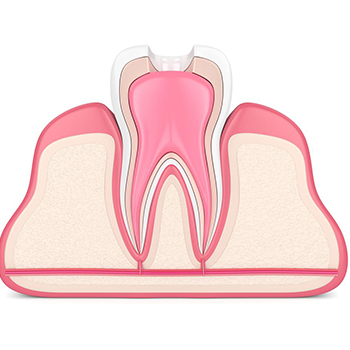
The alveolar bone is a specialized form of bone tissue that surrounds and supports the roots of teeth within the jawbone, forming the alveolar process vital for maintaining dental stability. It is integral to oral health, providing a secure anchor for teeth via the periodontal ligament, which links the tooth cementum to the alveolar bone, ensuring proper function and resilience in the oral cavity. The alveolar bone, which forms part of both the maxilla (upper jaw) and mandible (lower jaw), features a distinctive structure with a porous, spongy inner layer known as trabecular or cancellous bone, providing resilience and support, while the outer surface is coated with a denser, compact layer called cortical bone, offering strength and protection. This bone undergoes continuous remodeling, influenced by factors such as tooth eruption, chewing forces, and periodontal health. The alveolar bone's integrity is vital for maintaining proper tooth alignment and overall dental function. When teeth are lost, the alveolar bone often resorbs over time, leading to changes in facial structure and challenges in prosthetic dental treatments like dentures or implants. Maintaining alveolar bone health involves good oral hygiene, periodontal care, and avoiding conditions like periodontal disease, which can lead to bone loss and compromise oral stability.
How is Alveolar Bone care done?
Alveolar Bone Care in Vijayawada involves maintaining the health and integrity of the bone that supports teeth, which is essential for overall oral health and successful dental treatments like implants and periodontal therapy. Proper care begins with good oral hygiene practices, including brushing twice daily, flossing, and using antiseptic mouthwashes to reduce plaque buildup that can lead to periodontal disease and subsequent bone loss. Regular dental check-ups are crucial for early detection and management of periodontal issues; dentists often perform professional cleanings, scaling, and root planing to remove tartar and diseased tissue. In cases of existing bone loss, regenerative procedures such as bone grafting, guided tissue regeneration, or the application of growth factors may be recommended to restore alveolar bone volume. Additionally, patients are advised to avoid smoking and maintain a balanced diet rich in calcium and vitamin D to support bone health. For those with periodontal disease, controlling infection and inflammation is vital to prevent further bone deterioration. In some advanced cases, surgical intervention or prosthetic rehabilitation may be necessary to stabilize the alveolar bone and restore function. Overall, a combination of good oral hygiene, regular professional care at Best Dental Hospital in Vijayawada, and appropriate surgical or regenerative procedures ensures optimal alveolar bone health and longevity.
Benefits of Alveolar bone care
Proper management of alveolar bone is crucial for preserving oral health and supporting the long-term stability of teeth, as it provides the foundational structure necessary for healthy dentition and prevents issues such as tooth mobility and loss. Proper care of the alveolar bone helps prevent periodontal diseases such as gingivitis and periodontitis, which can lead to bone loss and tooth loss if left untreated. Maintaining healthy alveolar bone supports the integrity of the jawbone, ensuring strong foundation for natural teeth or dental implants. It also enhances oral function, allowing for effective chewing and speaking. Additionally, good alveolar bone health contributes to facial aesthetics by preventing bone resorption that can cause sagging or a sunken appearance. Proper care involves good oral hygiene practices, regular dental check-ups, and professional cleanings, which help remove plaque and tartar that contribute to bone deterioration. In cases where bone loss has already occurred, regenerative procedures can help restore alveolar bone, improving the prognosis of restorative treatments. Overall, investing in alveolar bone care promotes long-term oral health, preserves natural dentition, and enhances quality of life by maintaining a healthy, functional, and attractive smile by Dr. Hanisha Adusumilli.
Have Any Dental Concern? Call us at +91 8142648649 or make an Appointment
FAQ’s [Frequently Asked Questions]
Why is alveolar bone important?
Alveolar bone provides essential support and stability for teeth, anchoring them securely within the jaw. It also plays a crucial role in maintaining the overall structure and function of the oral cavity, facilitating proper chewing and speech.
Can alveolar bone be regenerated?
Yes, alveolar bone can be regenerated through various techniques such as bone grafting, guided tissue regeneration, and the use of growth factors to stimulate new bone formation. These procedures are often employed in periodontal therapy and dental implant placement to restore lost alveolar bone and support oral structures effectively.
How does smoking affect alveolar bone health?
Smoking impairs alveolar bone health by reducing blood flow, which hampers nutrient and oxygen delivery essential for bone maintenance and repair. It also increases the risk of periodontal disease, leading to alveolar bone loss and compromised oral health.
What is the connection between osteoporosis and alveolar bone?
Osteoporosis is a systemic condition characterized by decreased bone density and increased fragility, which can also affect the alveolar bone that supports teeth. This weakened alveolar bone may lead to increased periodontal disease and tooth loss in individuals with osteoporosis, highlighting the interconnected nature of systemic bone health and oral health.
How do dental implants interact with alveolar bone?
Dental implants interact with alveolar bone through a process called osseointegration, where the bone gradually fuses with the implant surface, providing stability and support. This integration ensures that the implant functions like a natural tooth root, maintaining bone density and preventing bone resorption around the implant site.